
We may receive a commission from our partners if you click on a link to review or purchase a product or service. Click to Learn More
The best international phone call app for businesses is Google Voice, because it’s easy to use, its international rates are affordable, and you can call any landline in the US and Canada completely free.
Google Voice was one of the most secure services across our in-depth research, which evaluated 10 different VoIP providers and their apps against 44 categories of of investigation.
In this guide, you’ll learn about the best international calling apps in 2026, including how much they cost, what they can do, and whether they’re a better fit for businesses or personal use.
After conducting an initial exploration to identify the most relevant, popular, and established VoIP services in the market, we put them through their paces with hands-on testing to see their real strengths and weaknesses. In this case, our research consisted of:
- 10 VoIP service providers
- 200 hours
- Eight core categories of investigation
- 44 subcategories
At Tech.co, we have a number of full-time in-house researchers, who re-run this testing process regularly, to ensure our results remain reflective of the present day.
|
Starting price
The typical lowest starting price. The lowest price available for your business will depend on your needs
|
Pros
|
Cons
|
US & Canada
|
Mexico
|
UK
|
India
|
China
|
Free app-to-app calling
|
Calls to landline & mobile
|
Worldwide availability
|
Offline functionality
|
Real-time translation
|
Call recording
|
||
|---|---|---|---|---|---|---|---|---|---|---|---|---|---|---|---|
|
BEST OVERALL
 |
 |
 |
 |
 |
|||||||||||
|
Google Voice |
Rebtel |
Ooma |
Vonage |
|
|||||||||||
|
$10/user/month |
$10/month |
$19.95/user/month |
$13.99/user/month |
Free |
|||||||||||
|
|
|
|
|
|||||||||||
|
|
|
|
|
|||||||||||
|
Included |
$0.01 |
Included |
Included |
Not listed |
|||||||||||
|
$0.01 |
$0.025 |
Included |
Included |
Not listed |
|||||||||||
|
$0.01 |
$0.025 |
$0.028 |
Included |
Not listed |
|||||||||||
|
$0.02 |
$0.024 |
$0.029 |
Included |
Not listed |
|||||||||||
|
$0.30 |
$0.019 |
$0.025 |
Included |
Included |
|||||||||||
|
|
|
|
|
|
|||||||||||
|
|
|
|
|
Paid version only |
|||||||||||
|
US only |
|
North America only |
|
|
|||||||||||
|
|
|
|
|
|
|||||||||||
|
|
|
|
|
|
|||||||||||
|
|
|
|
|
|
- Best: Google Voice is the best international calling app, offering a seamless integration with Google Workspace for businesses.
- Pricing: VoIP plans will cost you between $10 per month and $40 per month, depending on your business.
- How to choose: Consider pricing, features, whether you want to call phone numbers or other app users, and security protocols like end-to-end encryption.
- Why trust us: Tech.co evaluates VoIP platforms across multiple dozens of categories for the best recommendations.
Best International Phone Call Apps Reviewed
Our in-depth reviews of each top provider explains price points, feature sets, and whether or not the app is better for business or personal use.
- Google Voice – Best for workplace efficiency
- Rebtel – Best for unforeseen disruptions
- WeChat – Best for businesses targeting the Chinese market
- Vonage – Best for communication consolidation
- Ooma – Best for medium-sized businesses on a budget
1. Google Voice – Best for Workplace Efficiency
- Price: $10/user/month
Google Voice has become an incredible valuable tools for businesses in 2026, thanks to the bevy of AI-powered features available across the entire Google Workspace ecosystem. For Google Voice specifically, features like AI voicemail transcription and analysis can help your smaller teams handle more calls, improving efficiency across the board.
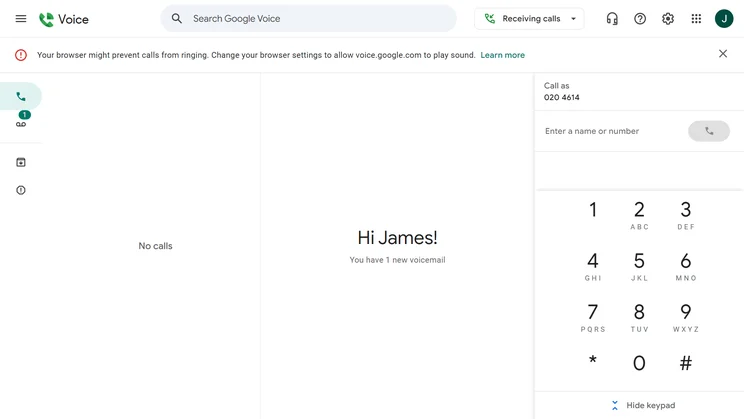
In our testing, we found the Google Voice app easy to use and set up, with lead writer Conor Cawley going from downloading the app to making a call in just under three minutes. The call handling experience was particularly intuitive, thanks to the sidebar menu. The numbers on the virtual keypad are nice and wide, for ease of dialing, especially on a touchscreen.Check out our Google Voice review for more information
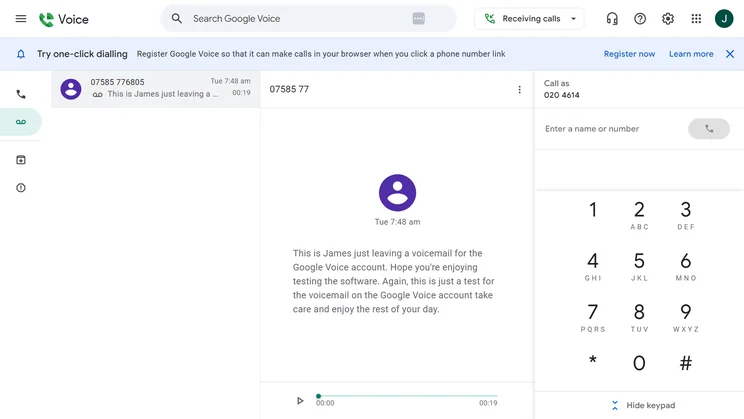
The voicemail interface in Google Voice. Source: Tech.co testing

The call recording feature in Google Voice. Source: Tech.co testing
We found the Google Voice app simple yet functional for international calling. Source: Tech.co testing
2. Rebtel – Best for Poor Signal Areas
Rebtel provides the best call reliability and quality on this list, because rather than using VoIP technology, it relies on landline infrastructure to make calls. This means that you won’t be reliant on a network connection to call internationally, so unforeseen disruptions like storms and outages won’t get in the way.
In fact, we tested Rebtel on a 4G connection with only two bars and noticed no issues. The audio remained stable throughout the call, with zero packet loss.
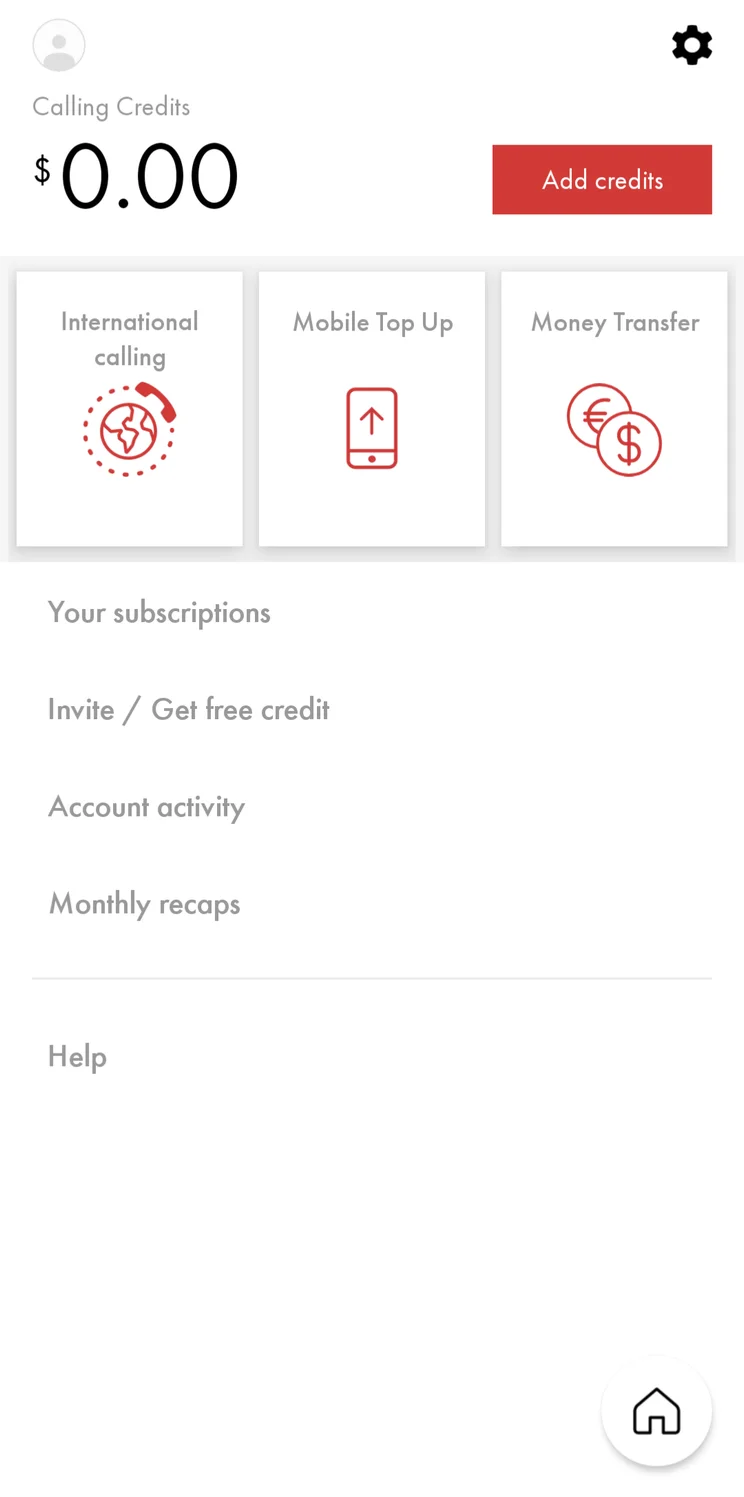
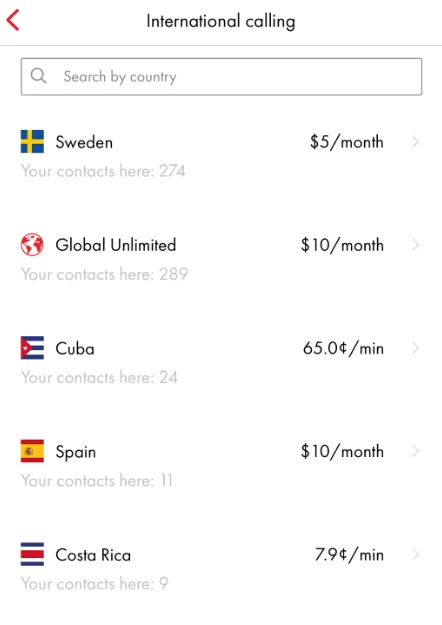
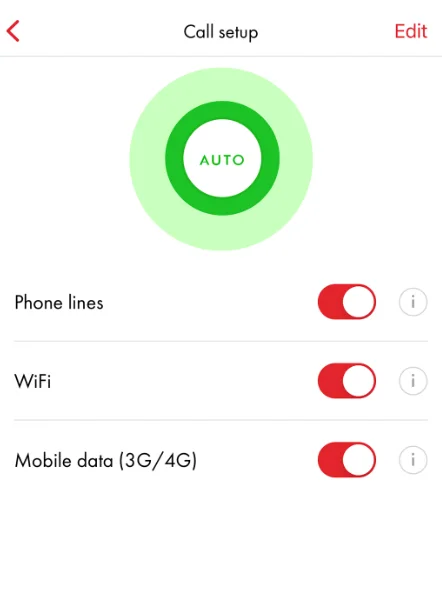
We easily adjusted the Rebtel settings in the app. Source: Tech.co testing
3. Ooma – Best for Medium-Sized Businesses on a Budget
- Price: $19.95/user/month
Ooma is a powerful VoIP solution that offers pay-as-you-go and pay-monthly calling plans for businesses and personal users.
Its excellent support center, which includes 24/7 live support options and a useful knowledge base, combined with its top-tier customer feedback scores, makes it one of the most reliable VoIP systems we’ve tested.
Ooma boasts a streamlined interface, simplifying tasks like placing outbound calls and adding new contacts. We particularly enjoyed the “New Contact” form, which included a neat notes section for customizing your contacts.
Check out our Ooma review for more information
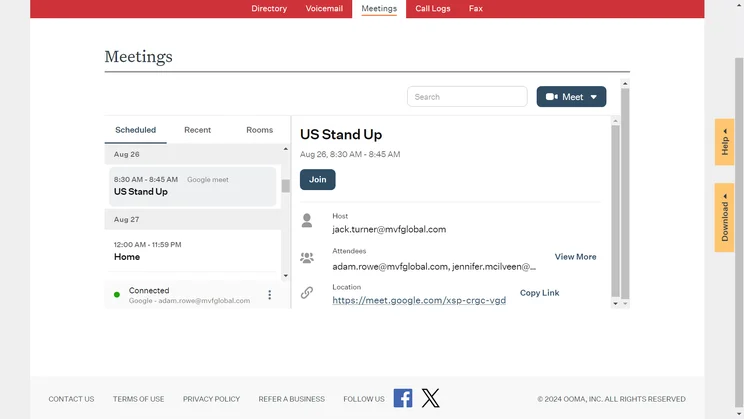
The meeting integration in Ooma Office. Source: Tech.co testing
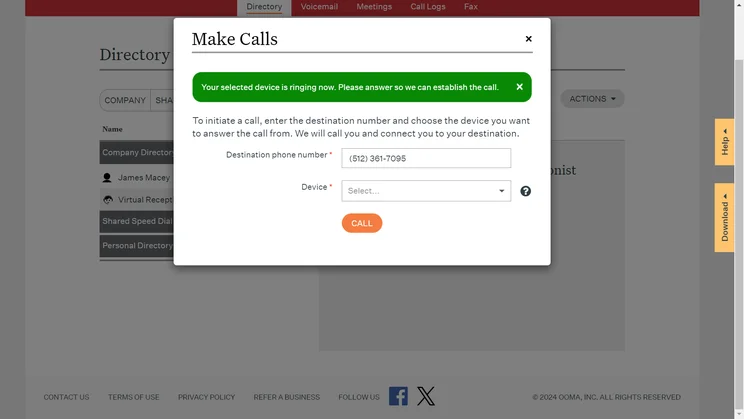
The outgoing call interface in Ooma Office. Source: Tech.co testing
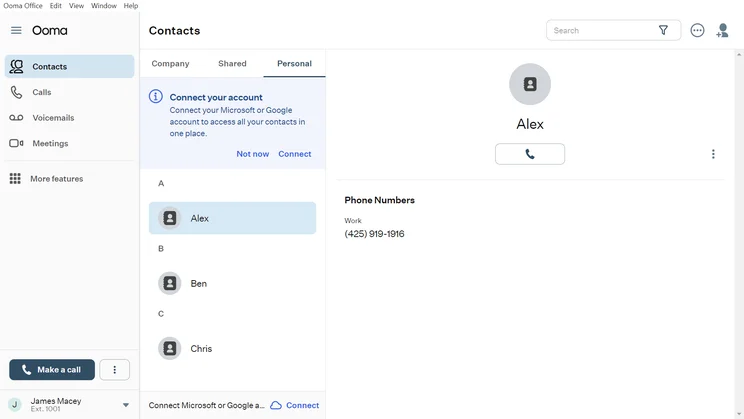
The personal contacts list in Ooma Office. Source: Tech.co testing
The Ooma calling app offers basic functionality with affordable rates. Source: Tech.co testing
4. Vonage – Best for Communication Consolidation
- Price: $13.99/user/month
Vonage offers a full-on business communication hub rather just an international calling app. The platform boasts video, voice, and messaging functionality for an all-in-one experience.
Vonage has far more features than other VoIP providers like Nextiva or Google Voice, making it great for large call volumes. You’ll get:
- call queue
- spam shield
- company-wide call recording
- on-demand call recording
- toll-free numbers
- virtual mailboxes
- visual voicemail
- group paging, and more
Check out our Vonage review for more information
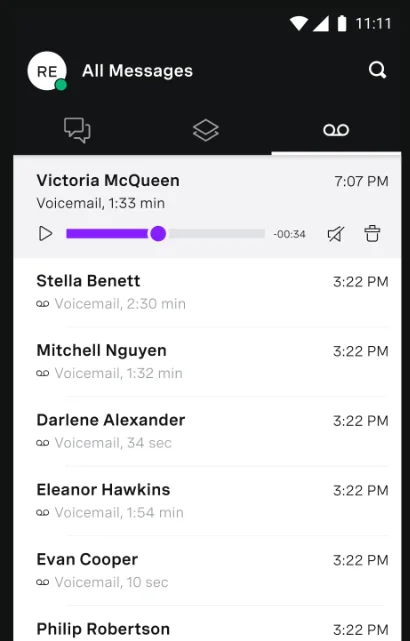
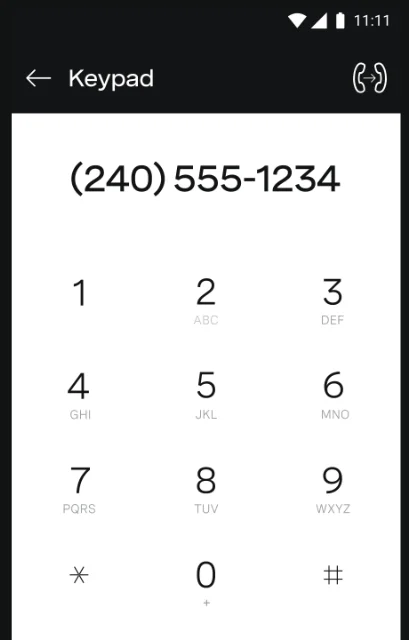

The interface for Vonage is basic and provides tips for getting started. Source: Vonage
5. WeChat – Best for Business Targeting the Chinese Market
- Free, app-to-app international calling, messaging, and video conferencing
- One billion users worldwide, but concentrated in China
- WeChat Out service provides international call rates
WeChat represents a popular option for messaging and calling, making it a great call app for international calling as well, although it is only available for users in the US, Italy, Thailand, Laos, Australia, China, Vietnam, Malaysia, Saudi Arabia, and Hong Kong (the platform is now banned in India).
The WeChat Out app allows users to call actual phone numbers and landlines through the platform. The China-based app is probably best suited to those in China or Hong Kong, as its more than one billion users are primarily based there, but it’s still an easy-to-use international call app for anyone.

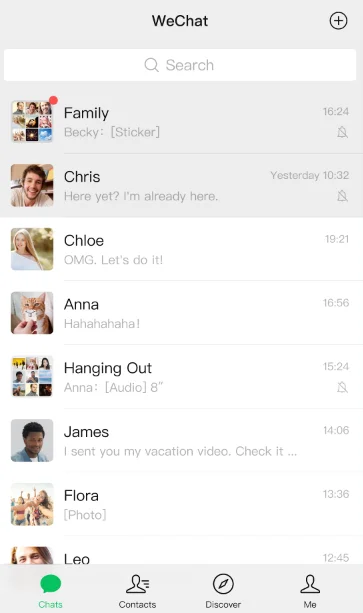

The WeChat interface is simple and intuitive, even for beginners. Source: WeChat
How Much Do International Phone Call Apps Cost?
Most business-facing providers offer unlimited international pricing plans that can cost anywhere from $10 per month to $40 per month. These plans typically include extra tools for unified business communication.
Without inclusive plans, you’ll incur small per-minute call rates when calling mobile or landline phone numbers in other countries. In Google Voice, for example, rates for different countries range from $0.01 per minute to $2.50 per minute.
Here’s a look at the starting price, unlimited plan price, and call rates for the providers listed above.
|
Starting price
The typical lowest starting price. The lowest price available for your business will depend on your needs
|
Price of Unlimited plan
What is the least expensive plan that allows for unlimited international calling?
|
US & Canada
|
Mexico
|
UK
|
India
|
China
|
||
|---|---|---|---|---|---|---|---|---|
|
BEST OVERALL
|
|
|
|
|
||||
|
Google Voice |
Rebtel |
Vonage |
Ooma |
|
||||
|
$10/user/month |
$10/month |
$13.99/user/month |
$19.95/user/month |
Free |
||||
|
None |
$12/month |
$14.99/month |
$25.99/month |
None |
||||
|
Included |
$0.01 |
Included |
Included |
Not listed |
||||
|
$0.01 |
$0.025 |
Included |
Included |
Not listed |
||||
|
$0.01 |
$0.025 |
Included |
$0.028 |
Not listed |
||||
|
$0.02 |
$0.024 |
Included |
$0.029 |
Not listed |
||||
|
$0.30 |
$0.019 |
Included |
$0.025 |
Included |
App-to-App vs App-to-Phone: What’s the Difference?
App-to-app international calling involves calling someone that is using the same app as you to avoid international call rates. Apps like WhatsApp, FaceTime, Viber, Telegram, and many others are available for this kind of audio, video, and text communication.
App-to-phone international call platforms are services that allow users to call landlines and mobile devices from an app. This typically incurs a small per-minute charge, although many services have included countries that are exempt from these charges.
What Are the Benefits of VoIP Phone Systems?
The benefits of VoIP phone systems over traditional landlines include saving money, adding flexibility, providing more features, and improving call analytics.
- Saving money – Landline infrastructure is expensive, but VoIP can use existing technology like smartphones to enable communication.
- Adding flexibility – VoIP systems work with computers, smartphones, and traditional handsets, so you can stay in touch on the go.
- Increasing features – VoIP phone systems offer more features, like the ability to forward, block, or re-route calls. You can even send instant messages.
- Improving analytics – VoIP systems track more data, so you can better understand how your team communicates in the long term.
For a better understanding of how VoIP software can benefit your business, check out our in-depth explainer video below:
How We Test International Call Apps
We take our hands-on testing and impartial analysis seriously, so you can have complete confidence that we’re giving you the clearest, most useful recommendations.
We have six main research categories for VoIP phone systems:
- Call management features: The presence and quality of call handling features, including basic features such as call forwarding and voicemail, as well as more advanced features like auto-attendant and interactive voice response (IVR).
- Communication channels: Features designed to support communication other than calling, including integrations with websites and social media platforms.
- Training features: The presence and quality of features designed to support onboarding and training, like call barge, call whisper, and performance dashboards.
- Customer support: The assistance and resources provided by the VoIP service provider to customers, including online resources, knowledge bases, and access to customer support representatives and AI chatbots.
- Security options: The measures and features implemented by the VoIP service to ensure the confidentiality, integrity, and protection of voice communications and data.
- Pricing factors: The pricing structure associated with the VoIP service, including factors such as monthly subscription fees, domestic and international call rates, setup fees, hardware costs, and extra costs, like add-on features or services.
Learn more about our research testing process.
Google Voice is the best international call app. This app offers a whole bunch of features, competitive pricing in plans and rates, and functionality for personal use and business needs.
All the apps on this list have their own perks and any one might be a better fit for your particular needs. For example, WeChat is a no-brainer when making calls from China, and Vonage would be our top pick for established businesses.
Frequently Asked Questions
Yes, international calling apps do use your mobile data, because they connect to other devices via the internet rather than traditional phone line infrastructure. You can avoid this by connecting to Wi-Fi.
VoIP, or Voice over Internet Protocol, describes a type of phone system that connects to other users via the internet, rather than through traditional landline infrasture. VoIP calls are more reliable and provide business-facing features like call queue and monitoring.
Generally, international call apps are secure, but it depends on your provider. If you want to make security a priority, we’d recommend finding an international calling app that offers end-to-end encryption (E2EE), which virtually guarantees that you won’t have any privacy issues with the app.
Most services that employ two-factor authentication methods also block non-native numbers to prevent fraud. This can have a negative impact on those trying to get codes while overseas, which is why we recommend switching to an alternative MFA method that doesn’t rely on phone systems.
It is possible to call banks and government agencies with international call apps, but it can be difficult. Many of these kinds of establishments have automated security protocols that block Voice over Internet Procol (VoIP) calls, and there isn’t really a way around that.
If you click on, sign up to a service through, or make a purchase through the links on our site, or use our quotes tool to receive custom pricing for your business needs, we may earn a referral fee from the supplier(s) of the technology you’re interested in. This helps Tech.co to provide free information and reviews, and carries no additional cost to you. Most importantly, it doesn’t affect our editorial impartiality. Ratings and rankings on Tech.co cannot be bought. Our reviews are based on objective research analysis. Rare exceptions to this will be marked clearly as a ‘sponsored’ table column, or explained by a full advertising disclosure on the page, in place of this one. Click to return to top of page


