

Email security company ProtonMail is triming its name down to just “Proton” as part of a rebrand that will bundle up multiple security services that the company has to offer.
Proton’s email, cloud storage, and VPN services are all now available as subscriptions together, starting at $9.99 per month.
We’ve covered Proton’s VPN in the past as part of our roundup of the most secure VPNs on the market, so the quality of their privacy software is clear. But we pointed out the cost at the time, and with the new bundle, costs are even higher.
Proton’s clearly hoping all the extra services make the price worth it — and given the costs of cybersecurity failures, we can definitely see their point.
What Proton’s Changing
ProtonMail — sorry, Proton — is changing its name, which means a new logo, interfaces, apps, and website domain. The services will all be integrated, with one account connecting them all, similarly to large communications software systems like Google Workspace or Microsoft Teams.
The service now offers three plans for its email, one of which includes the bundle of additional services — the only other stand-alone plan that will still be offered without a bundle is the VPN, where the price remains unchanged for now.
Proton Free costs nothing, but is limited: Users get up to 1 GB total storage, a single email address, 3 folders and labels, and the ability to field 150 messages per day.
Proton will keep Mail Plus, the non-bundled email service, available for $4.99/month when billed monthly, $3.99/month when billed annually, and $3.49/month when billed for two years at a time.
Then there’s the bundle, Proton Unlimited, at $11.99/month when billed monthly, $9.99/month when billed annually, and $7.99/month when billed for two years. Users will get 500 GB total storage, 15 email addresses, support for three custom email domains, and unlimited folders, labels, messages, and filters, as well as access to Proton Calendar, Proton Drive (still in beta), and Proton VPN. They’ll also get priority support.
ProtonVPN

In Short
-
Pros:
- Impressive interface
- Powerful features
- Based in privacy-conscious Switzerland
- Free version has no data cap
-
Cons:
- Premium plans are expensive
- Can be intimidating
- Average speeds overall
Pricing
- Starts from $4.49/mo
- Bundles with Proton email, calendar and cloud storage for $7.99/mo
Images
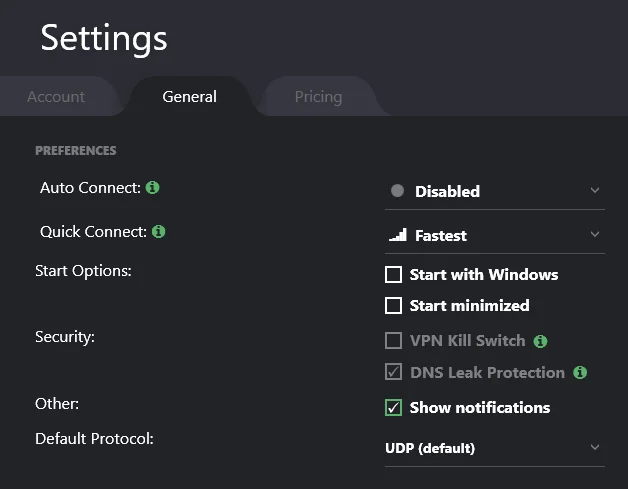
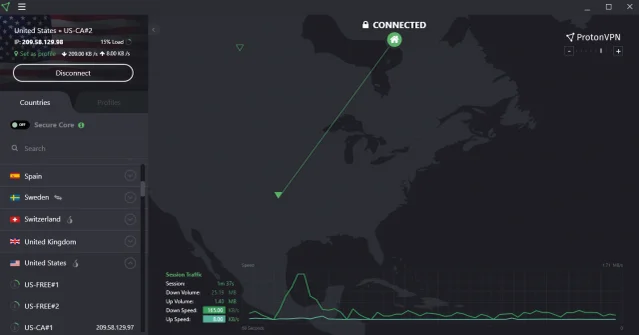
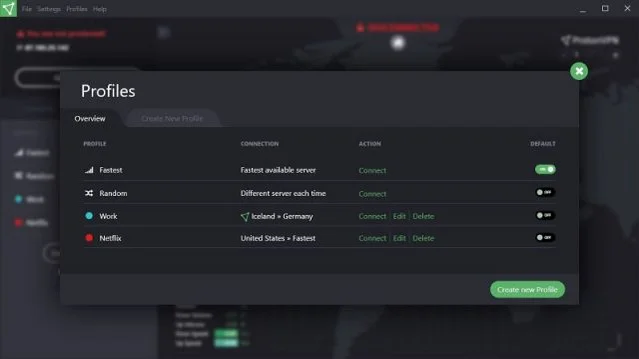
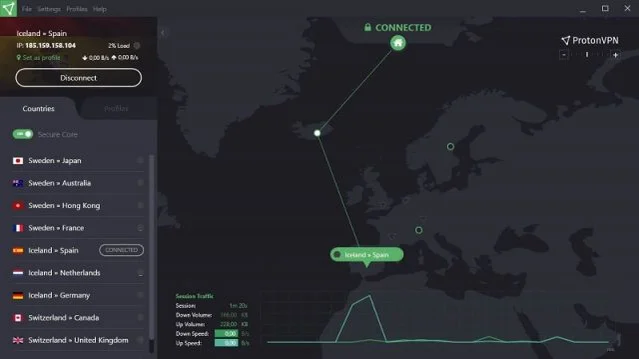
What’s the Benefit?
Proton has multiple services, and now they’ll be available with one account login — this reduces the potential entry points for a phishing attack on a business or individual, and cuts down on the number of passwords everyone needs to remember.
Since passwords are an outdated, easily crackable security measure that we’re more or less stuck with for now, that’s already a bonus.
“Evolving into a unified Proton reflects our growth from an end-to-end encrypted email provider to an entire privacy ecosystem, allowing us to deliver even more benefits to the Proton community and make privacy accessible to everyone,” Proton founder and CEO Andy Yen wrote in the announcement.
Proton also benefits by creating its own privacy-by-default ecosystem that it can usher customers into. Once in, they’ll have a lot of friction keeping them with Proton, reducing the churn Proton might see with any individual service.
They aren’t the only service in the game, however: We’ve ranked the biggest and best VPNs in the past, and there are some promising entries for as low as just a couple bucks a month.
Ultimately, though, Proton’s appeal lies in the combination of its email, storage, and calendar services — to those who are in the market for all four and are privacy-conscious, ten bucks a month may easily be worth the cost.


