
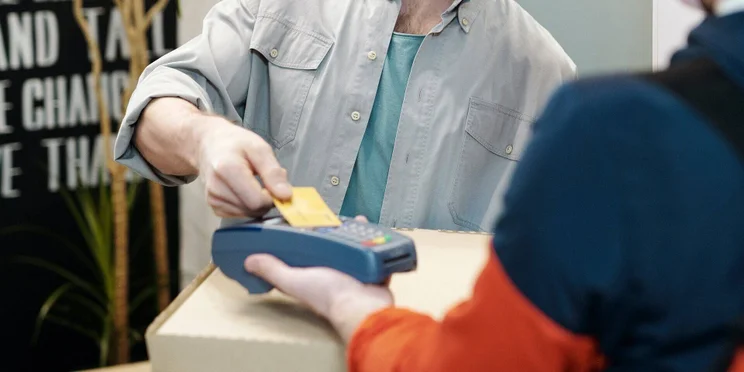
Keep your smartphone handy: Cash transactions around the world are continuing a years-long decline, while instant payment networks are seeing more and more growth.
The latest numbers come from an annual McKinsey report, which found cash use across 2022 to have dropped by nearly 4% from the year before.
Future revenue growth, the firm predicts, will be driven by innovations in instant payments, alongside the rise in digital wallets, at least in certain areas of the world.
Where Is Cash Is Less Common and Why?
Perhaps unsurprisingly, given the market saturation that smartphones are enjoying, instant digital payments are behind the dip in cash transactions.
Around the world, total electronic payment transaction volumes have grown 17% in the last five years, indicating a big shift in the market towards the newer technology. After all, that 17% growth outpaces the mere 6% increase that the entire payments industry grow across that same time period.

This just in! View the top business tech deals for 2026 👨💻
So where does cash come in? Here’s how McKinsey explains it:
“These dynamics are also evident in cash displacement. Cash usage declined by nearly four percentage points globally in 2022. Worldwide, the decline in cash usage during the pandemic shows no evidence of being reversed, led downward by the cash-reliant economies of India and Brazil, where the share of cash transactions fell by seven to ten percentage points. Brazil’s cash declines are concurrent with the rapid uptake of the country’s PIX instant-payments network.”
The trend picked up during the pandemic, particularly in India and Brazil, and it doesn’t appear to be going away any time soon.
Nigeria is seeing similar trends: Cash transactions were 95% of all payments in that country in 2019, but just 80% in 2022, all while instant payments leapt from 2% up to 8%.
US and UK Aren’t Seeing Quite as Large a Shift
By 2027, McKinsey forecasts that instant payments in Brazil will account for nearly half of all transactions.
In contrast, the US and UK will see much slower shift, perhaps because these economies were less cash-heavy to begin with. McKinsey still thinks a shift will happen, but there’s less of a trend to indicate that it will.
“Instant payments remain in a nascent stage in the US, where 2022’s cash decline was more muted following 2021’s reduction associated with pandemic restrictions. July 2023’s launch of the Federal Reserve’s FedNow real-time payment rails may prove to be an inflection point, but the effect will be gradual.”
The Winners: Banks and Instant Payment Tools
All this news represents a big opportunity for the banks trying to construct the transaction infrastructure of tomorrow, but it might be a small opportunity for retail stores as well.
Pick a POS system that handles all the most popular digital transactions, and you’ll be well positioned for the steady growth in instant payments. Particularly if you live in Brazil or India.


