
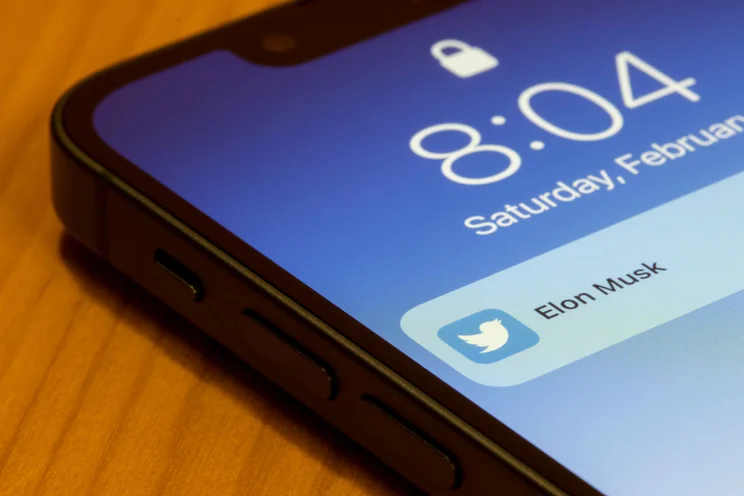
The latest news from the ever-churning “Elon Musk Buys Twitter” news cycle? Twitter will now open up Twitter verification to everyone.
Well, everyone willing to pay $8 a month for the privilege. Granted, they’ll get a few additional perks, at least according to a few tweets issued by Musk today: “Priority in replies, mentions, and search,” as well as longer videos and audio, and half the ads.
But this turns verification — which was first intended to help Twitter users know they could trust others to be who they said they were — into a pay-for-play situation, clearly undermining the value of the utility.
Musk Proposes Charging $8 for Verified Twitter Account
The whole idea of charging $8 a month for verification isn’t set in stone, of course: Yesterday, the proposed amount was $20.
Then horror fiction author Stephen King complained about it, triggering this exchange.
We need to pay the bills somehow! Twitter cannot rely entirely on advertisers. How about $8?
— Elon Musk (@elonmusk) November 1, 2022
It was Halloween, so presumably King’s power was at its strongest. The fee is now $8 a month.
Musk is still working out the details on Twitter itself, having posted a thread explaining how the paying-for-verification process might go. He opened it with a tweet saying “Twitter’s current lords & peasants system for who has or doesn’t have a blue checkmark is bullshit. Power to the people! Blue for $8/month.”
But that’s the problem: Verification isn’t something that turns a peasant into a lord.
If This Happens, Verification Will Stop Mattering
Twitter verification is an indicator that someone is who they say they are. It’s how you tell the public figures from the scammers and parodies, the Elon Musks from the Italian Elon Musks.
The social media platform only started verification in 2009, in the wake of a lawsuit from baseball coach Tony La Russa, who had been impersonated on the platform.
https://twitter.com/isosteph/status/1587547423563345920
Musk followed up on his initial twitter thread an hour and change later to address this issue, saying that “there will be a secondary tag below the name for someone who is a public figure, which is already the case for politicians.”
But this won’t help those who are known quantities but don’t pass muster as public figures, although it further removes the value of the verification check mark from the reason it was created at all.
Twitter’s Dramatic Changes Don’t Bode Well
Following its ownership transfer last Thursday, Twitter has been in turmoil. Five top Twitter executives have left the company, and more seem likely to follow.
At the same time, advertisers are pausing their spending. That’s particularly bad news for Musk, as his $44 billion deal for the platform made it one of the most overpaid tech acquisitions in history, according to one expert who values Twitter at closer to $25 billion.
Charging users for verification isn’t a good idea, and it also won’t earn anywhere enough money to break even on the purchase.
In other words, we can expect more money-making schemes from the platform in the near future, whether it starts charging businesses to post or, my personal favorite idea, lets users start official roast battles that are then voted on by everyone, with the loser being permanently suspended. If the platform is going to collapse, we should at least have a little fun with it.


